
In the wire and cable manufacturing process, Cable and Wire Extrusion Line plays a critical role in determining product quality. However, various factors such as temperature control, raw materials, and equipment conditions may lead to defects. This article summarizes the most common extrusion quality issues, their causes, and practical solutions to help ensure stable production and high-quality output.
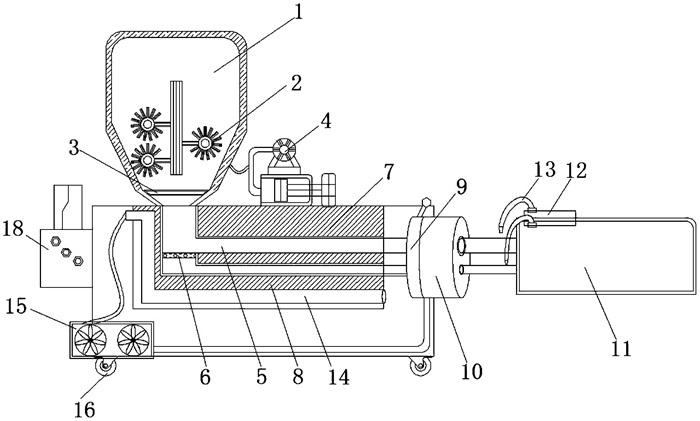
1.Diameter Fluctuation and Uneven Surface
1.1 Typical defects: Bamboo-shaped appearance, uneven diameter, and surface irregularities.
1.2 Main causes:
1.2.1 Improper temperature settings, especially in the feeding zones
1.2.2 Unstable take-up and pay-off tension
1.2.3 Fluctuating or loose semi-finished products
1.2.4 Oversized die sleeve or undersized die core
1.3 Solutions:
1.3.1 Optimize temperature settings of the Cable and Wire Extrusion Line
1.3.2 Ensure stable tension control
1.3.3 Use qualified semi-finished products
1.3.4 Select appropriate die and core sizes to maintain proper extrusion pressure
2.Surface Cracks or Pinholes
2.1 Typical defects: Small holes or cracks on the surface.
2.2 Main causes
2.1.1 Low extrusion temperature leading to poor ductility
2.1.2 Moisture or oil contamination on conductors
2.1.3 Impurities in raw materials
2.2 Solutions
2.2.1 Increase extrusion and die head temperature
2.2.2 Clean or replace semi-finished products
2.2.3 Use high-quality, clean raw materials
3.Poor Plasticization (Orange Peel, Lumps, Patterns)
3.1 Typical defects: Rough surface, orange peel effect, unmelted particles.
3.2 Main causes:
3.2.1 Low barrel or die head temperature
3.2.2 Excessive screw speed
3.2.3 Poor raw material quality
3.2.4 High proportion of color masterbatch
3.3 Solutions:
3.3.1 Increase processing temperature
3.3.2 Adjust screw speed for better plasticization
3.3.3 Replace raw materials if necessary
3.3.4 Optimize masterbatch ratio
4. Burnt Material and Surface Degradation
4.1 Typical defects:Burn marks, black particles, smoke, or strong odor.
4.2 Main causes:
4.2.1 Excessive temperature
4.2.2 Accumulated degraded material in screw
4.2.3 Long downtime during production changes
4.2.4 Faulty temperature control system
4.3 Solutions
4.3.1 Reduce processing temperature
4.3.2 Clean screw and extruder regularly
4.3.3 Avoid long material retention in the machine
4.3.4 Maintain temperature control equipment
5.Air Bubbles in Cross Section
5.1 Typical defects: Voids or bubbles inside insulation or sheath.
5.2 Main causes
5.2.1 Overheating causing material decomposition
5.2.2 Moisture in raw materials
5.2.3 Water leakage in equipment
5.3 Solutions
5.3.1 Optimize temperature settings
5.3.2 Dry or replace raw materials
5.3.3 Inspect and repair equipment leakage
6.Rough Surface with Longitudinal Lines
6.1 Typical defects: Rough texture and visible lines along the product.
6.2 Main causes
6.2.1 Low die head temperature
6.2.2 Improper die size selection
6.2.3 Damaged or rough die surface
6.3 Solutions:
6.3.1 Adjust die head temperature
6.3.2 Use properly sized dies
6.3.3 Polish or replace dies
7.Uneven Thickness and High Eccentricity
7.1 Typical defects: Uneven insulation or sheath thickness, off-center structure.
7.2 Main causes
7.2.1 Incorrect die matching on the Cable and Wire Extrusion Line
7.2.2 Improper die centering
7.2.3 Irregular conductor shape
7.2.4 Excessive extrusion temperature
7.3 Solutions
7.3.1 Reconfigure die setup
7.3.2 Re-align die center
7.3.3 Use high-quality conductors
7.3.4 Control extrusion temperature properly
8.Color Difference in Insulation or Sheath
8.1 Typical defects: Inconsistent color appearance in insulation or sheath.
8.2 Main causes
8.2.1Uneven mixing or insufficient dosage of color masterbatch
8.2.2 Use of incompatible masterbatch for different plastic materials, which may also affect performance
8.3 Solutions
8.3.1 Add masterbatch according to specifications and ensure uniform mixing (use a mixer if necessary)
8.3.2 For large-volume orders, pre-compounded colored material is recommended
8.3.3 Use dedicated and verified masterbatch suitable for the specific material
9.Frequent Breakdown During Production (Non-Sealed Hopper)
9.1 Typical defects: Frequent electrical breakdown or insulation defects during production.
9.2 Main causes: Lack of proper sealing during feeding, allowing insects or contaminants to enter the hopper (especially at night)
9.3 Solutions: Apply reliable sealing methods to material tanks and hoppers to prevent contamination during feeding
10.Printing Does Not Meet Requirements
10.1 Typical defects: Unclear, incomplete, or non-durable surface printing.
10.2 Main causes
10.2.1 Different materials require specific inks (e.g., PE, PVC, fluoroplastics)
10.2.2 Incorrect ink leads to poor abrasion resistance
10.2.3 Unstable take-up/pay-off tension causing incomplete printing
10.2.4 Residual cooling water affecting print quality
10.2.5 Improper font size or unstable marking due to incorrect distance or vibration
10.2.6 Excessive distance between plasma treatment electrode and cable surface affecting ink adhesion
10.3 Solutions
10.3.1 Use specified ink suitable for the material
10.3.2 Improve take-up and pay-off systems to ensure stable cable movement
10.3.3 Install air-drying devices after the cooling trough to ensure a dry surface
10.3.4 Adjust and fix the distance between printer nozzle and cable surface
10.3.5 Properly adjust the distance between electrostatic/plasma treatment device and cable surface
11.Water Ingress in Cable
11.1 Typical defects: Water penetration inside the cable.
11.2 Main causes: Cable ends, joints, or damaged sheath sections submerged in water.
11.3 Solutions
11.3.1 Install overhead guides above the cooling trough to keep cable ends and joints above water
11.3.2 If water ingress occurs, handle according to procedures and proceed only after inspection approval
12.Oxidation of Copper Tape at Medium Voltage Cable Ends
12.1 Typical defects: Oxidation of copper tape at cable ends.
12.2 Main causes: Cable ends exposed to water during production
12.3 Solutions: Follow proper operating procedures to prevent cable ends from contacting water
13.Conclusion
Stable extrusion quality in Cable and Wire Extrusion Line depends on precise control of temperature, material quality, equipment condition, and process parameters. By identifying root causes and applying targeted solutions, manufacturers can significantly reduce defects, improve efficiency, and ensure consistent product performance.
Click here to see the running video of in Cable and Wire Extrusion Line
NOTE:All rights reserved, Reprinting is prohibited without permission.